
Insights & Stories from the Data World
Expert perspectives, industry trends, and success stories from the PangaeaX community
How to Show Your CompeteX Challenge Results on Your Resume LinkedIn and Portfolio
Learn how to showcase CompeteX challenge results on your resume, LinkedIn profile and portfolio with practical examples and tips.
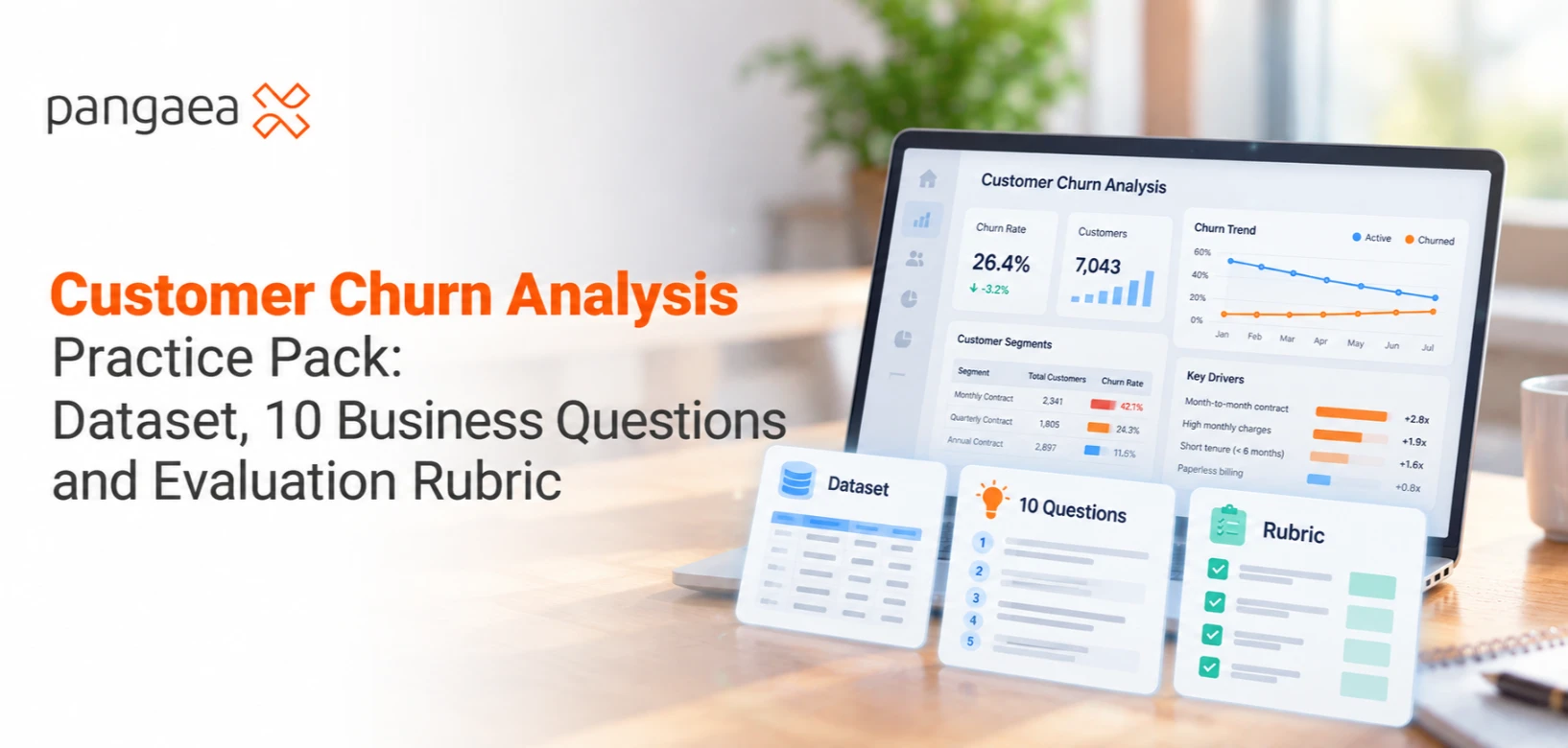
Customer Churn Analysis Practice Pack: Dataset, 10 Business Questions and Evaluation Rubric
Introduction Customer churn is rarely presented as a clean question with a ready-made formula. A...
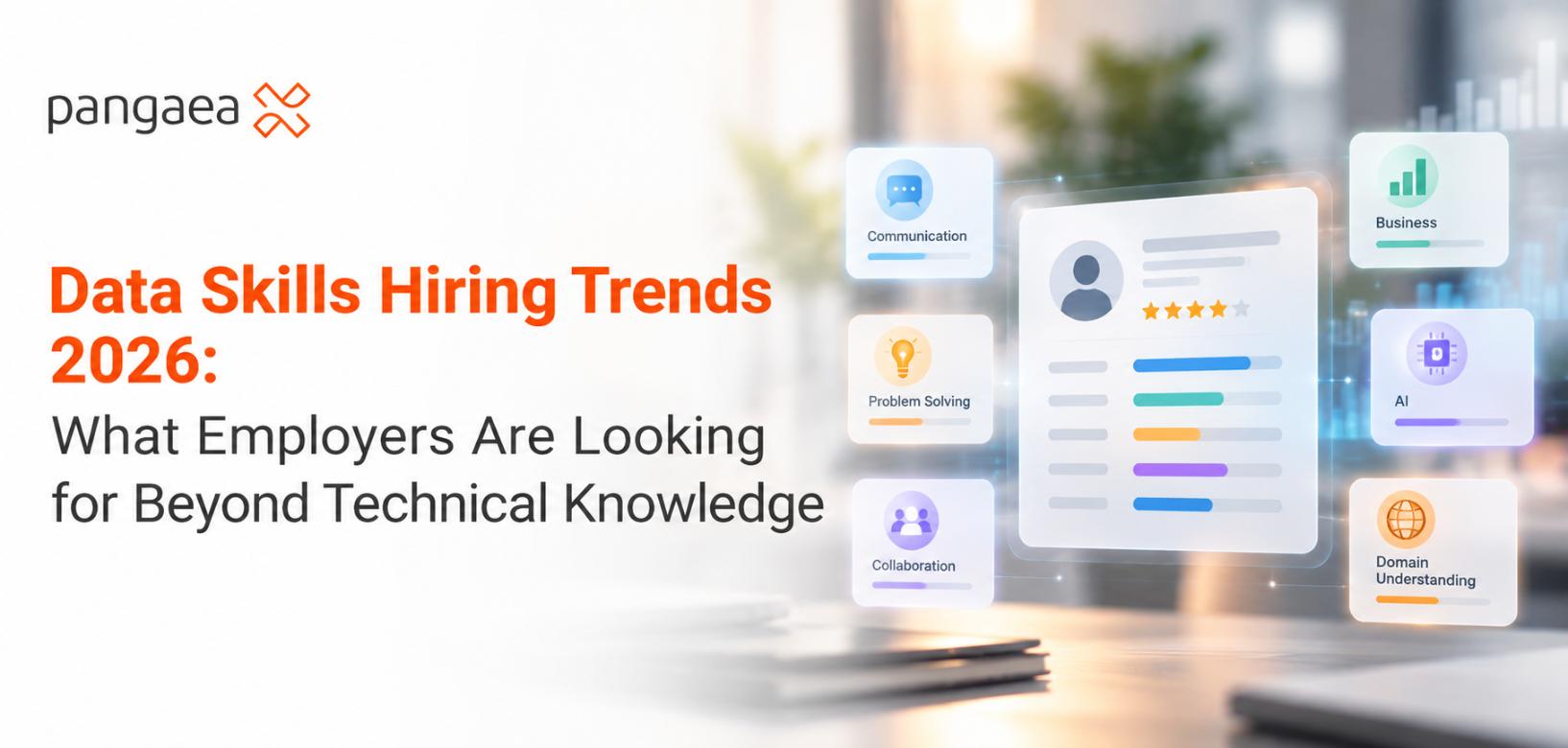
Data Skills Hiring Trends 2026: What Employers Are Looking for Beyond Technical Knowledge
Introduction SQL, Python, Excel, statistics and business intelligence tools still matter....
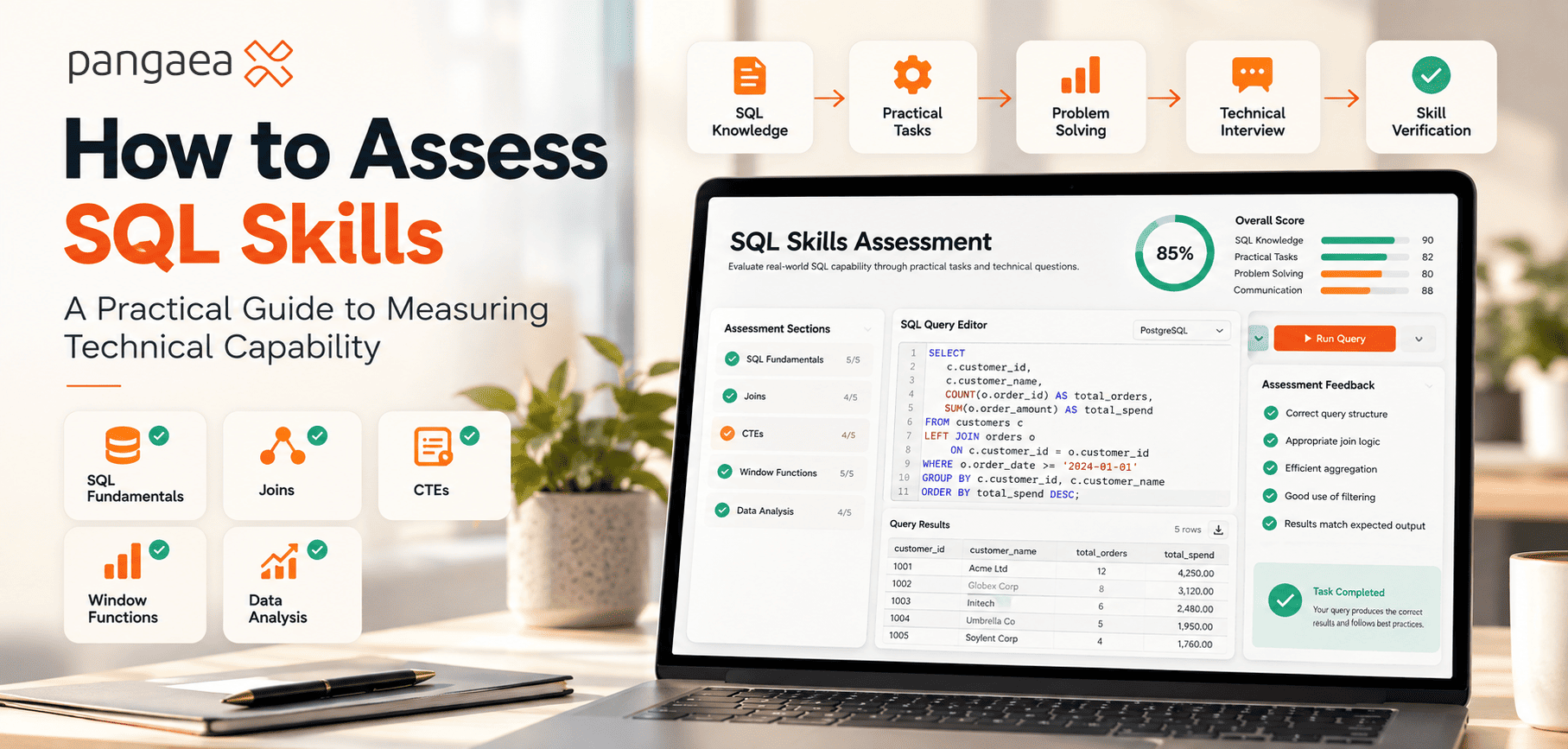
How to Assess SQL Skills: A Practical Guide
Learn how to assess SQL skills through practical tasks, technical challenges, interviews and skill verification, whether you are evaluating candidates or existing team members.
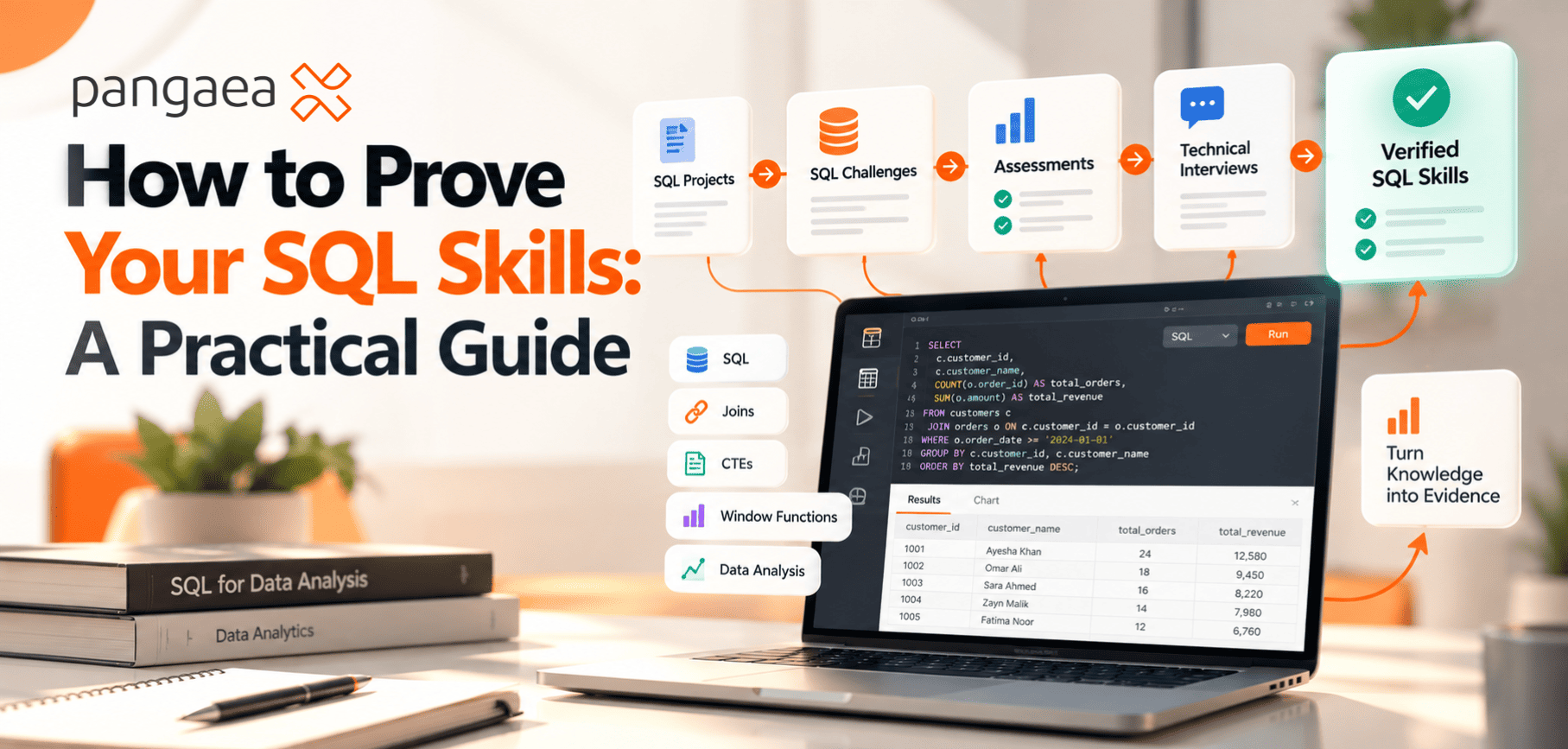
How to Prove Your SQL Skills: A Practical Guide
Learn how to prove your SQL skills through practical projects, SQL challenges, technical assessments, portfolios, interviews and skill verification.
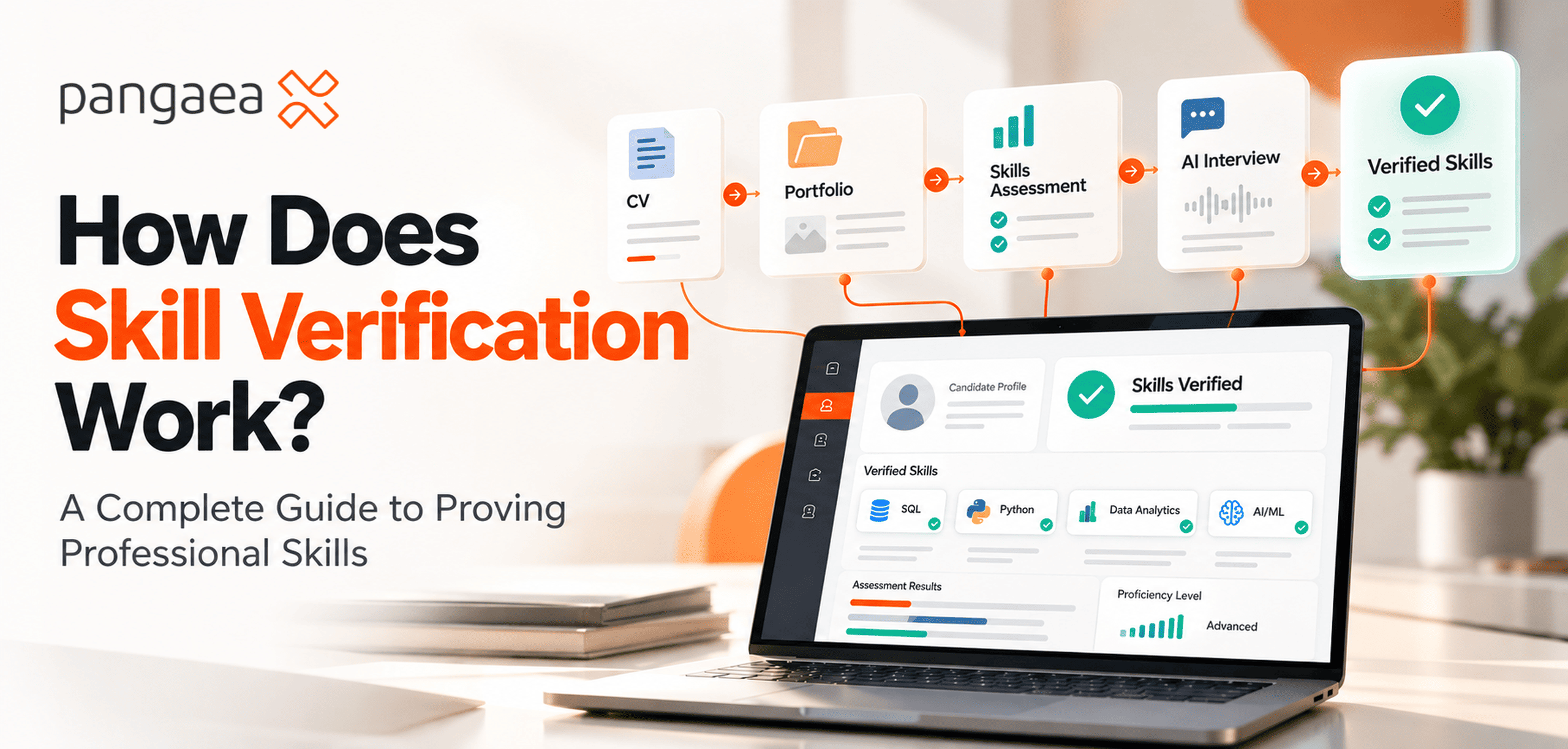
How Does Skill Verification Work? A Complete Guide
Learn how skill verification works, what it can prove, and how assessments, portfolios, interviews, and verified evidence can help professionals demonstrate their real-world skills beyond a CV.
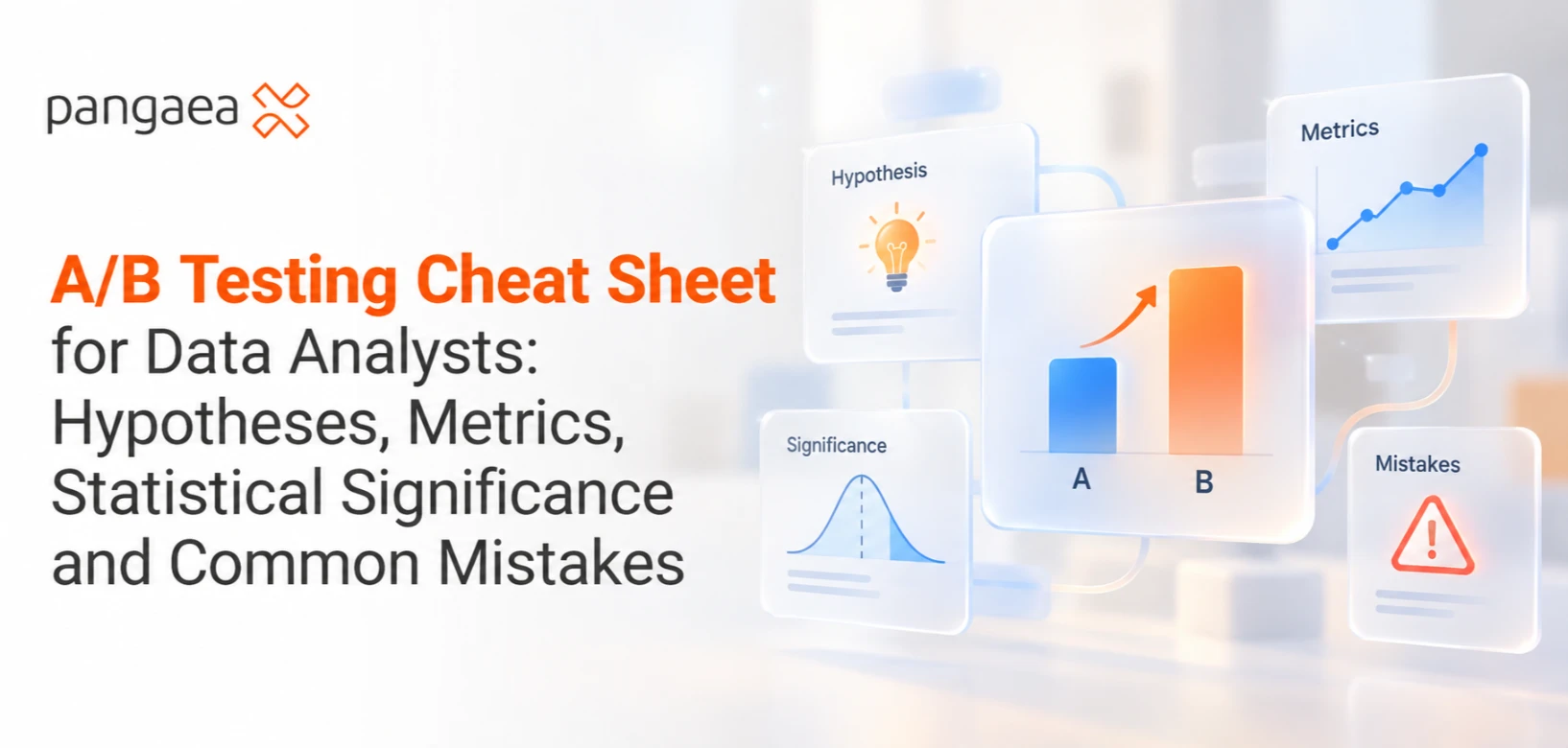
A B Testing Cheat Sheet for Data Analysts: Hypotheses, Metrics, Statistical Significance and Common Mistakes
Use this A/B testing cheat sheet to understand hypotheses, primary and guardrail metrics, p-values, confidence intervals, significance and common mistakes.

Skill Assessment vs Certification: What’s the Difference?
Skill assessments and certifications serve different purposes in professional development and hiring. Learn how they differ, what each can demonstrate, and how employers can evaluate skills using multiple forms of evidence.

How Can You Prove Your Professional Skills?
Learn how to prove your professional and technical skills through work experience, portfolios, practical assessments, technical challenges, interviews and skill verification.